Gender vulnerability
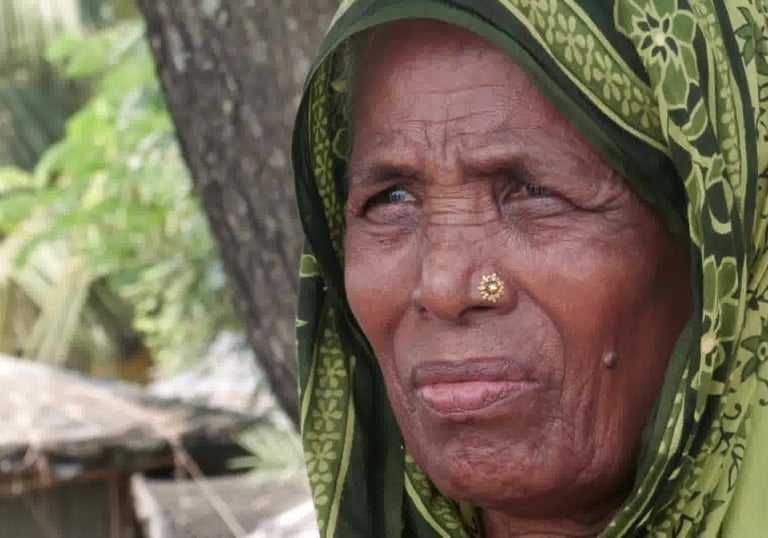
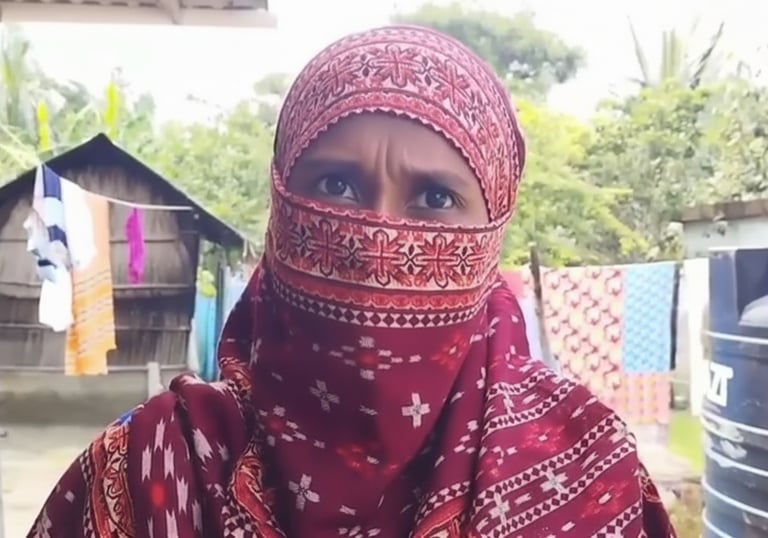
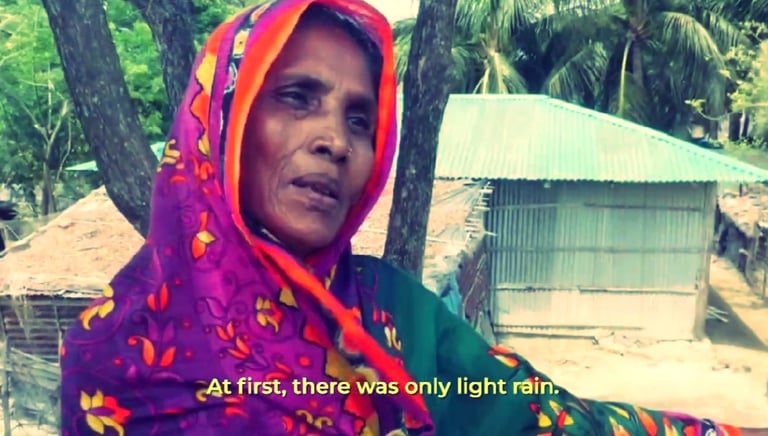
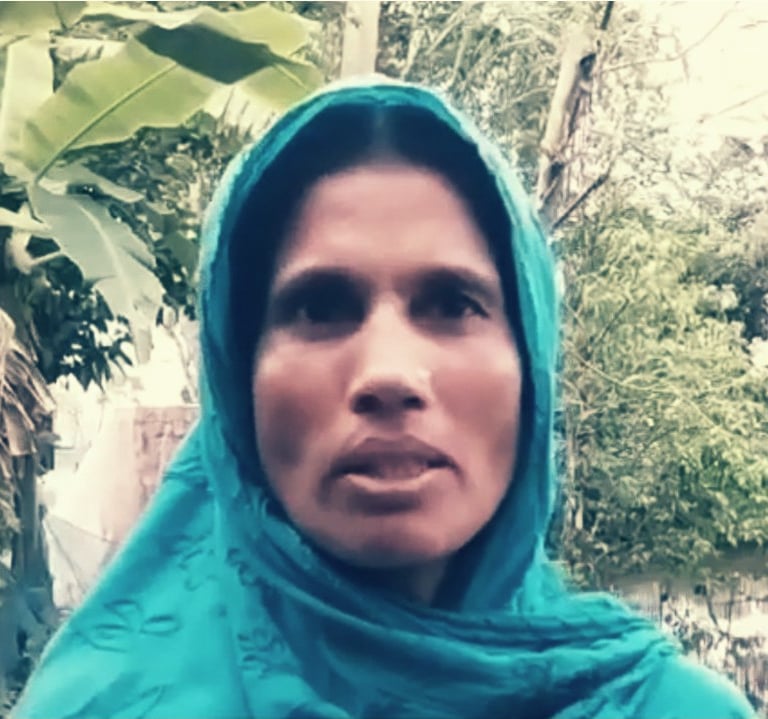
The disproportionate impact of climate change on women and girls is a consequence of their unequal access to resources, limited participation in decision-making, and socially constructed gender roles that increase their exposure and vulnerability during climate disasters.
Across South‑ and Southeast Asia, analyses of drowning and survival data repeatedly note that boys and men are far more likely than girls and women to be taught to swim, often tied to gendered ideas about water‑related activities and risk. The gap is generally in the tens of percentage‑points, with girls consistently under‑represented in both formal and informal swimming instruction.